Tabletop Games: A World of Strategy, Fun, and Chance
Tabletop games have been an integral part of human culture for centuries, providing entertainment and fostering social interactions across generations. From classic board games like chess and checkers to modern-day role-playing adventures and strategy card games, tabletop games offer a diverse range of experiences that cater to different tastes and preferences.
Understanding Tabletop Games
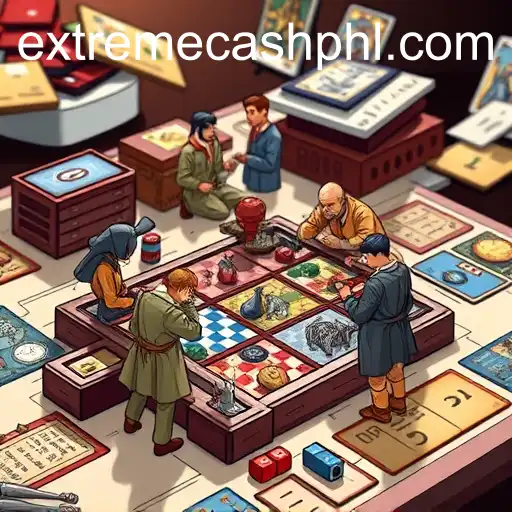
At its core, a tabletop game is any game that is played on a flat surface, typically consisting of elements like game boards, dice, cards, tokens, or miniatures. These games often require a blend of skill, strategy, and sometimes a dash of luck which makes them both challenging and rewarding.
The Rise of Tabletop Gaming
In recent years, tabletop gaming has seen a significant resurgence. This revival can be attributed to several factors, including a growing nostalgia for traditional forms of entertainment and a desire for more personal and interactive experiences compared to digital gaming. Tabletop games have also benefited from a vibrant community of enthusiasts who share a passion for game design, storytelling, and strategic thinking.
The Impact of Technology
Although tabletop games are inherently low-tech, the digital revolution has had a noticeable impact on this genre. Many tabletop games now have digital supplements, apps, or online versions to enhance the playing experience. These integrations often bring additional dimensions to gameplay, attracting a broader audience.
The Social Aspect of Tabletop Games
One of the most appealing aspects of tabletop games is their ability to bring people together. Unlike many video games, which are often played alone, tabletop games are inherently social activities. Whether it is family game night, a gathering of friends, or a convention filled with strangers coming together for tournaments, tabletop games foster communication, collaboration, and friendly competition.
Exploring the Genres
The Strategic Depth of Board Games
Board games range from simple and fun family games to complex and competitive strategy games. Titles like "Settlers of Catan" and "Ticket to Ride" have achieved mainstream success by appealing to both casual players and hardcore gamers. These games require players to develop strategies, adapt to changing circumstances, and make tough decisions — factors that contribute to their enduring popularity.
Role-Playing Adventures
Role-playing games (RPGs) like "Dungeons and Dragons" allow players to immerse themselves in fantastical worlds as they take on the roles of characters in epic quests. Players must collaborate to overcome challenges, solve puzzles, and defeat enemies, making for an engaging and often unpredictable experience.
Card Games: Luck Meets Strategy
Card games, such as "Magic: The Gathering" and "Pokémon Trading Card Game," combine elements of chance and strategy. Players must build powerful decks to outmaneuver their opponents, whether through strategic planning or tapping into a bit of luck. This genre thrives on creativity and adaptability, attracting a dedicated following.
The Role of EXTREMECASH in Tabletop Gaming
One intriguing development in the tabletop gaming world has been the introduction of games themed around economic and financial strategies, like "EXTREMECASH." This game transports players into a high-stakes world of financial markets, where strategic thinking and decision-making are crucial. Players compete to amass wealth through bold investments, shrewd negotiations, and timely risk-taking. "EXTREMECASH" particularly appeals to those who enjoy the thrill of abstract thinking and real-world systems simulated within a game framework.
Design and Innovation
The design of tabletop games is both an art and a science. Game designers dedicate significant time and effort to create engaging mechanics, compelling storylines, and aesthetically pleasing components. Innovations in game design continue to push the boundaries of what tabletop games can achieve, whether through thematic depth, modular boards, or cooperative play styles.
Creating Memorable Experiences
The true magic of tabletop games lies in the memories and stories they create — moments of triumph, unexpected twists, and the camaraderie found in shared experiences. Whether it is laughing over a game of "Codenames" during a friend's gathering or delving deep into a strategic battle in "Twilight Imperium," these games contribute to lasting relationships and cherished memories.
Final Thoughts on the Tabletop Renaissance
The enduring appeal of tabletop games stems from their rich diversity and their ability to adapt and evolve with the times. They serve as a reminder that, even in an increasingly digital world, the simple pleasure of gathering around a table with friends and family remains irreplaceable. The innovative spirit embodied by games like "EXTREMECASH" shows that the industry continues to grow and thrive, offering new experiences for seasoned players and newcomers alike.
As tabletop games surge in popularity, it is clear that they represent more than just a pastime; they are a means of connection, creativity, and a way to indulge in deep strategic thought while reliably guaranteeing hours of fun.